
Landscaping and property improvement projects often require moving soil, mulch, gravel, stones, branches, and other materials. Managing these materials efficiently can save time, reduce manual handling, and help contractors maintain an organized worksite. The right hauling equipment can make a significant difference, especially when projects involve multiple deliveries or repeated cleanup tasks.
Simplify Soil and Mulch Transportation
Soil and mulch are commonly used in garden renovations, lawn preparation, planting beds, and outdoor improvement projects. Transporting these materials in suitable equipment helps crews move supplies from delivery points to the areas where they are needed.
Before beginning a project, estimate the required material quantities and plan where they will be unloaded. This helps reduce unnecessary trips and prevents materials from being placed in locations that obstruct workers or equipment.
Contractors should also account for the weight of wet soil and other dense materials when calculating load sizes.
Make Gravel and Stone Handling More Efficient
Gravel and stone are useful for pathways, driveways, drainage projects, and decorative landscaping. However, these materials can be heavy and difficult to move repeatedly with small equipment.
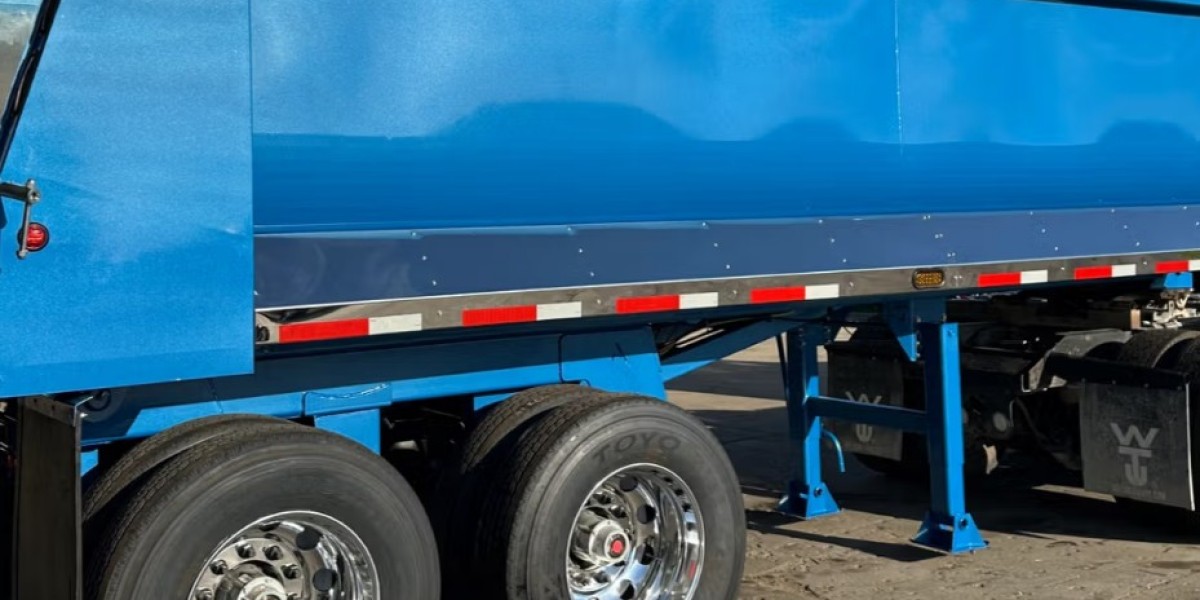
A suitable hauling setup can help transport materials between storage areas and job sites. When choosing dump trailers for sale, contractors should compare rated payload capacity, bed dimensions, construction, and compatibility with the towing vehicle.
Selecting equipment according to the project's actual requirements helps avoid unnecessary costs and reduces the risk of overloading.
Improve Yard Cleanup and Debris Removal
Property improvement work can produce branches, leaves, old fencing, damaged timber, and other debris. Keeping waste organized makes it easier for workers to move around the site and complete tasks efficiently.
Separate materials according to local disposal and recycling requirements. Avoid mixing hazardous waste with ordinary yard debris, and make sure every load is within the trailer's rated capacity.
Before transporting a load, secure materials appropriately so they cannot shift or fall onto the road. Check local requirements for covering loads and transporting oversized items.
Plan Access Around the Property
Residential landscaping projects often take place in areas with narrow driveways, limited turning space, soft ground, or nearby structures. Equipment selection should account for these restrictions.
Measure available access points and consider the space needed for turning, parking, loading, and unloading. Avoid operating heavy equipment on ground that may be unstable or unable to support its weight.
A clear movement plan can reduce delays and help protect lawns, paved surfaces, fences, and other property features.
Prioritize Safe Loading and Unloading
Safe material handling begins before the trailer is loaded. Inspect the tires, hitch, lights, brakes, and visible structural components. Confirm that the towing vehicle and trailer are suitable for the intended load.
When unloading, use an appropriate firm and level surface, check for overhead obstacles, and keep people clear of the dumping area. Follow the manufacturer's operating instructions and never exceed the trailer's weight limits.
Never stand beneath a raised dump bed unless it has been secured with the approved safety support system. Hydraulic equipment should be maintained and operated according to the manufacturer's guidance.
Maintain Equipment Between Projects
Regular maintenance can help prevent unexpected interruptions during busy landscaping seasons. Remove accumulated soil and debris, inspect for corrosion or damage, and check hydraulic components for signs of leakage.
Tires, brakes, lights, hinges, and electrical connections should also receive attention at the recommended intervals. Any serious structural or mechanical problem should be evaluated before the trailer returns to service.
Keeping maintenance records helps contractors track repairs and plan future servicing more effectively.
Match Equipment to Long-Term Business Needs
Landscaping businesses may handle different types of projects throughout the year, from spring planting and summer garden renovations to autumn cleanup and property preparation.
Review the materials most frequently transported, typical load sizes, job-site access conditions, and annual equipment costs. This information can help businesses select equipment that supports their workload without paying for unnecessary capacity.
Build a More Organized Landscaping Workflow
Successful landscaping depends on planning, suitable equipment, safe working practices, and effective waste management. By organizing material deliveries, planning site access, and maintaining hauling equipment, contractors can reduce avoidable delays and improve day-to-day operations.
A practical approach to material handling helps keep projects organized, supports worker safety, and allows landscaping teams to focus on delivering quality results for their clients.