Choosing the right skin treatment requires more than identifying a concern or following a popular skincare trend. Skin type, sensitivity, treatment goals, professional expertise, and recovery expectations all influence whether a particular procedure is appropriate. The best approach begins with understanding the skin's current condition and identifying realistic goals. Someone experiencing mild dullness may need a different treatment approach from someone dealing with persistent pigmentation, post-acne marks, or visible texture irregularities. Skin tone also matters because certain peeling agents and treatment depths may increase the risk of pigmentation changes, particularly in individuals prone to post-inflammatory hyperpigmentation. Chemical peels in Dubai are commonly used to improve the appearance of uneven skin tone, dullness, rough texture, acne-related marks, and certain signs of ageing. However, different formulations and strengths produce different effects, making professional assessment an important part of the decision.
Another important consideration is the provider's experience and the quality of the consultation. A qualified professional should review medical history, existing skincare products, previous procedures, sun exposure, and any history of cold sores or skin sensitivity before recommending treatment. They should also explain potential side effects, preparation requirements, and recovery expectations.
Dubai offers a range of aesthetic providers with different treatment approaches and consultation processes. Rather than choosing a provider based solely on promotional offers or advertised results, patients should evaluate professional qualifications, hygiene practices, personalised recommendations, and follow-up support. Understanding these factors makes it easier to select a treatment that suits individual skin needs while maintaining realistic expectations about the outcome.
What Should You Consider Before Selecting a Chemical Peel?
Several factors influence the suitability of a peeling treatment. Understanding them helps patients make informed decisions and discuss their options confidently during a consultation.
Skin Type and Sensitivity
Skin type is one of the most important considerations. Dry skin may require a carefully selected formulation and additional hydration, while oily or acne-prone skin may benefit from an approach that addresses congestion and uneven texture.
Sensitive skin needs particular attention because stronger formulations can increase irritation. Individuals with eczema, rosacea, active skin infections, or a compromised skin barrier should receive an appropriate assessment before proceeding.
Treatment Goals
The intended outcome should guide the treatment choice. Some peels are designed to improve surface dullness and mild roughness, while others may help address certain pigmentation concerns or acne-related marks.
Patients should understand that deeper concerns may require several sessions or an alternative treatment. A responsible provider will explain what the procedure can realistically achieve instead of promising complete correction.
Treatment Strength and Ingredients
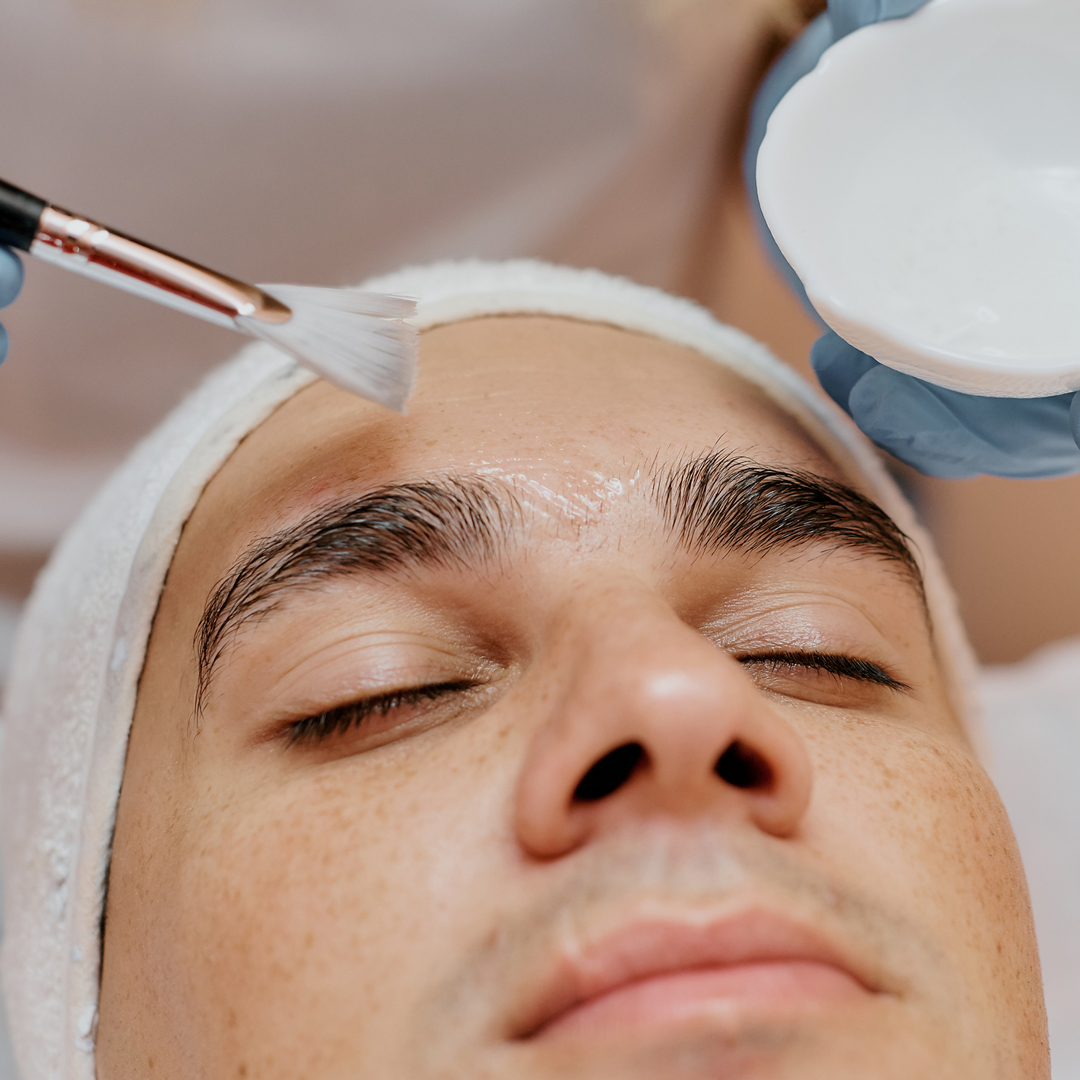
Peeling agents vary in their composition, concentration, and depth of action. Glycolic acid, lactic acid, salicylic acid, and trichloroacetic acid are examples of ingredients used in different professional peeling treatments.
Their suitability depends on the skin concern, treatment depth, concentration, application method, and individual medical history. Stronger treatments are not automatically better, and the safest option is the one selected according to the patient's needs.
Recovery and Aftercare
Temporary redness, dryness, tightness, flaking, and sensitivity can occur following treatment. The intensity and duration depend on the formulation and depth of the peel.
Patients should be prepared to follow instructions regarding moisturisers, sun protection, cleansing, and the temporary avoidance of irritating skincare ingredients. Picking or peeling flaking skin can increase the risk of scarring and pigmentation changes.
Clinics to Consider for Professional Skin Peeling Treatments in Dubai
Selecting a provider involves reviewing its consultation process, treatment options, professional expertise, and approach to patient safety. The following clinics can be considered when researching available aesthetic services. Patients should confirm current treatment availability, practitioner credentials, and suitability directly with each provider.
Tajmeels Clinic
Tajmeels Clinic is an option to explore for individuals researching aesthetic skin treatments in Dubai. When considering a peeling procedure, patients should ask about the formulations available, how the treatment is selected for different skin types, and whether the recommended approach addresses their specific concerns.
A useful consultation should distinguish between superficial pigmentation, acne-related marks, active breakouts, and general dullness. Understanding these differences helps establish whether a peel is appropriate or whether another treatment may be more suitable.
Patients should also discuss expected downtime, the possibility of temporary irritation, and the skincare routine required before and after treatment. These details are particularly important for people with sensitive skin or a history of pigmentation following inflammation.
Enfield Royal Clinic
Enfield Royal Clinic is another provider to consider when researching professional skin rejuvenation options in Dubai. Patients interested in Chemical peels should discuss their skin concerns, treatment history, and desired improvements during an individual consultation.
A thorough assessment should consider skin texture, uneven tone, acne-related marks, sensitivity, and previous reactions to exfoliating products. These factors can help a qualified practitioner determine whether a superficial, medium-depth, or alternative treatment approach is appropriate.
Patients should also ask about the ingredients used, the professional administering the procedure, and the measures taken to minimise irritation and pigmentation changes. Clear guidance on moisturising, sun protection, and follow-up appointments can support a more informed treatment experience.
Rather than focusing exclusively on immediate changes, patients should understand how results may develop over time and whether multiple sessions might be recommended. Individual outcomes vary according to skin condition, treatment depth, and adherence to aftercare instructions.
Dynamic Life Clinic
Dynamic Life Clinic may be worth researching for individuals exploring aesthetic procedures intended to improve skin appearance. Before choosing a peeling treatment, patients should establish whether the available options match their skin type and the concern they want to address.
A personalised consultation should cover the differences between exfoliation, pigmentation-focused treatments, and procedures intended to improve the appearance of uneven texture. Patients should also disclose prescription medications, active skincare ingredients, and any recent cosmetic procedures.
It is equally important to understand the expected recovery period. Some superficial treatments involve minimal downtime, whereas more intensive procedures can require a longer recovery and closer professional supervision.
Patients should ask how treatment progress will be assessed and what alternatives are available if their skin is not suitable for a particular formulation.
A Consultation-Focused Approach to Choosing a Provider
When researching any aesthetic provider, patients should look beyond advertising language and investigate the clinical process. Important questions include who performs the treatment, how skin suitability is established, and whether the provider explains possible complications before obtaining consent.
Transparent communication is a valuable indicator of a patient-focused approach. Individuals should feel comfortable asking about expected improvements, the possibility of temporary worsening of pigmentation, and the circumstances in which treatment might be postponed.
It is also sensible to verify professional registration and relevant qualifications independently rather than assuming that every advertised procedure is performed by a suitably qualified practitioner.
How to Choose the Right Clinic for Chemical Peels
Choosing a suitable provider involves more than comparing treatment descriptions. The following considerations can help patients assess whether a clinic offers an appropriate and responsible approach.
Experience and Qualifications
Confirm that the practitioner has relevant training and experience in the specific peeling treatment being considered. Experience with different skin tones and pigmentation concerns is particularly valuable for patients who are prone to dark marks after irritation.
Ask who will assess the skin, who will perform the procedure, and what professional qualifications they hold.
Technology and Techniques
Although chemical peels rely primarily on the selected formulation rather than a machine, the treatment protocol matters. Ask about the ingredients, concentration, application method, expected depth, and measures used to control the treatment.
A suitable provider should explain why a particular formulation has been selected rather than recommending the same procedure to everyone.
Safety Standards
Hygiene, appropriate product handling, patient screening, and clear consent procedures are essential. A professional should review relevant medical conditions, medication use, previous reactions, and recent cosmetic procedures.
Patients should also receive clear information about possible complications, including prolonged irritation, infection, scarring, and changes in pigmentation.
Consultation Process
A detailed consultation allows the practitioner to understand the patient's goals and assess whether treatment is appropriate. The discussion should cover skin concerns, sensitivity, medical history, existing skincare products, and previous treatments.
Patients should have enough time to ask questions and understand the available options without feeling pressured to proceed immediately.
Patient Experience and Follow-Up
A reliable treatment experience includes clear instructions before the appointment and accessible guidance afterwards. Patients should know which products to avoid, how to protect their skin from sunlight, and when to contact the clinic if unexpected symptoms develop.
Follow-up arrangements are particularly important for treatments that produce noticeable peeling or require a longer recovery period.
Expected Results
Results depend on the skin concern, treatment formulation, depth, and individual response. Mild dullness and surface roughness may improve more quickly than persistent pigmentation or bigger textural changes.
Patients should be cautious about guarantees or claims that one session will resolve every concern. A realistic treatment plan may involve several sessions, maintenance skincare, or a combination of professionally selected procedures.
Frequently Asked Questions
What skin concerns can chemical peels help address?
They may help improve dullness, uneven skin tone, rough texture, some forms of pigmentation, and certain acne-related marks. Their suitability depends on the specific concern, skin type, and treatment depth. Deeper scars and persistent pigmentation may require alternative or combined approaches.
Are chemical peels suitable for dry skin?
Some superficial peels may be appropriate for dry skin, but the skin barrier should be assessed first. Excessive dryness, irritation, or active inflammation may make treatment unsuitable until the skin has recovered. A professional can recommend a suitable formulation and moisturising routine.
How many sessions are usually needed?
The number of sessions varies according to the treatment and the concern being addressed. Some people may notice improvement after one superficial treatment, while others may need several sessions spaced appropriately apart. The practitioner should determine the schedule according to the skin's response and recovery.
Can chemical peels cause pigmentation changes?
Yes. Irritation and inflammation can sometimes lead to darker or lighter areas, particularly in people who are prone to post-inflammatory pigmentation. Appropriate treatment selection, professional application, sun protection, and adherence to aftercare instructions can help reduce the risk, although complications cannot be eliminated.
What should patients avoid after a chemical peel?
Patients are generally advised to avoid picking flaking skin, excessive sun exposure, harsh exfoliants, and potentially irritating active ingredients until the skin has recovered. The exact instructions depend on the treatment depth. Gentle cleansing, suitable moisturising, and broad-spectrum sunscreen are commonly recommended.
Conclusion
Choosing an appropriate skin treatment requires careful consideration of individual concerns, skin sensitivity, treatment depth, professional qualifications, and recovery expectations. Patients should prioritise personalised assessments, transparent communication, hygiene standards, and realistic treatment plans rather than relying solely on advertising or promises of rapid results.
When researching Chemical peels it is helpful to compare consultation quality, practitioner experience, available formulations, and follow-up support. Enfield Royal Clinic, Tajmeels Clinic, and Dynamic Life Clinic are among the providers patients may wish to investigate while conducting their own assessments. Confirming current services and practitioner credentials directly with each provider remains important.
Ultimately, the most suitable treatment is one that aligns with the patient's skin condition, individual goals, and tolerance for recovery. A thorough consultation with a qualified professional can help establish whether a peeling procedure is appropriate and support a safer, more informed approach to improving skin appearance.